
 What Ford's Latest Production Numbers Could Mean for Building Supply Dealers">
If you've tried replacing a delivery truck over the last few years, you already know how difficult it's been. Many building centre dealers made plans to update their fleets only to run into long wait times, limited inventory, and higher prices than expected. In some cases, stores ended up keeping older trucks on the road much longer than they wanted because there simply weren't many replacements available.
That's one reason the latest production numbers from Ford are worth paying attention to.
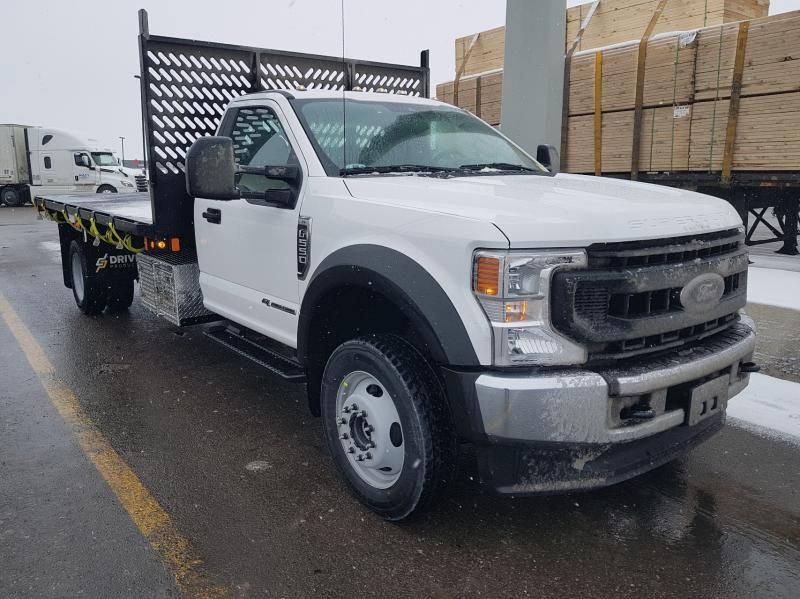
Late last year, a fire at a major aluminum supplier disrupted Ford's truck production and created more uncertainty in a market that was already dealing with supply challenges. Since then, Ford has been working to increase output, particularly on its Super Duty lineup, which remains one of the company's most important truck platforms.
The numbers are starting to show progress:
Ford's Kentucky Truck Plant built 28,801 Super Duty trucks in April and increased production to 30,635 units in May. At Ohio Assembly, production rose from 2,957 trucks in April to 3,153 in May. Ford has also announced that it plans to skip the normal summer shutdown at its F-Series plants this year in an effort to keep production moving and get more trucks into the market.
For most people, those numbers won't mean much. For a Home Hardware dealer trying to manage a delivery fleet, they're worth paying attention to.
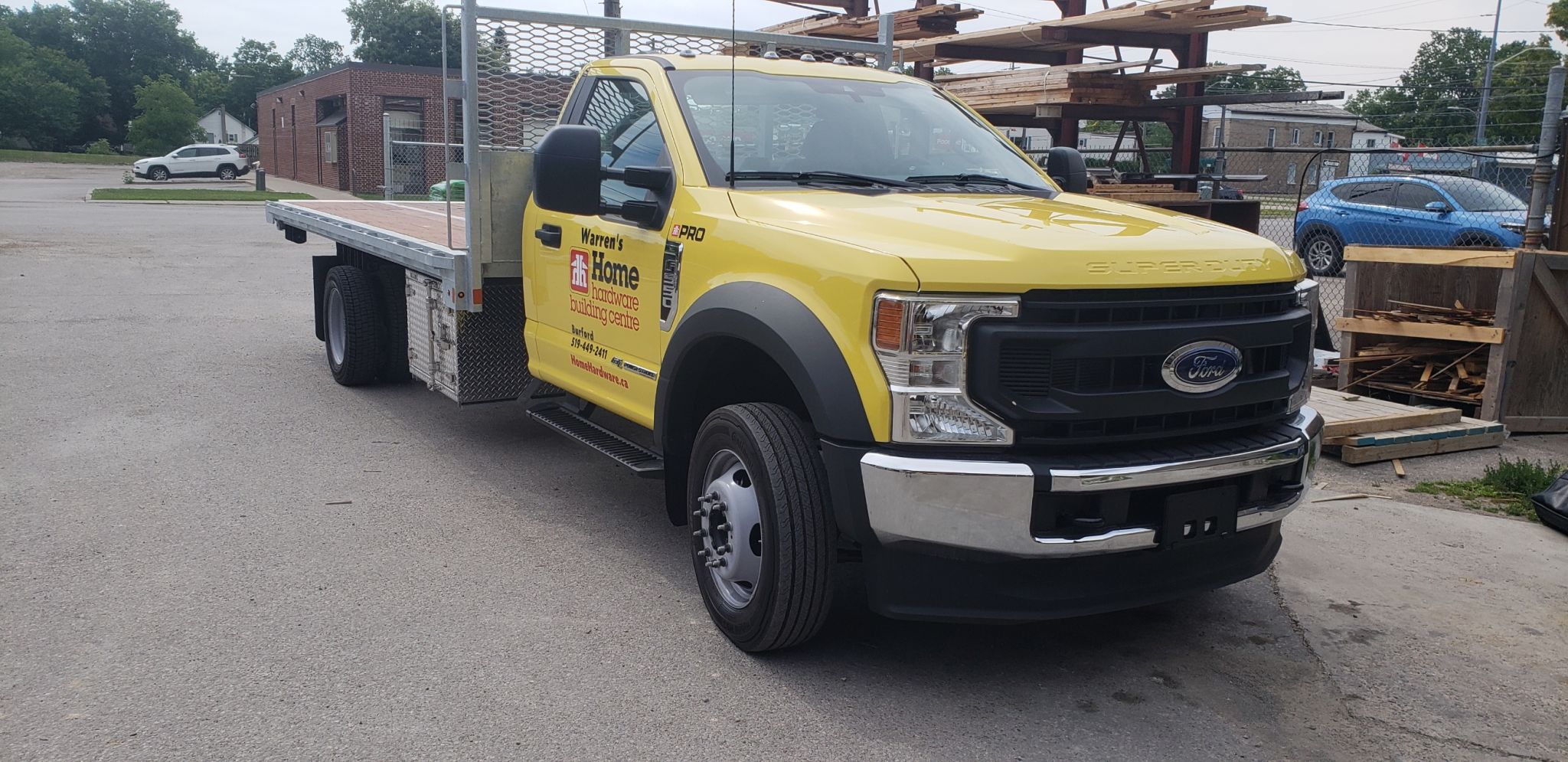
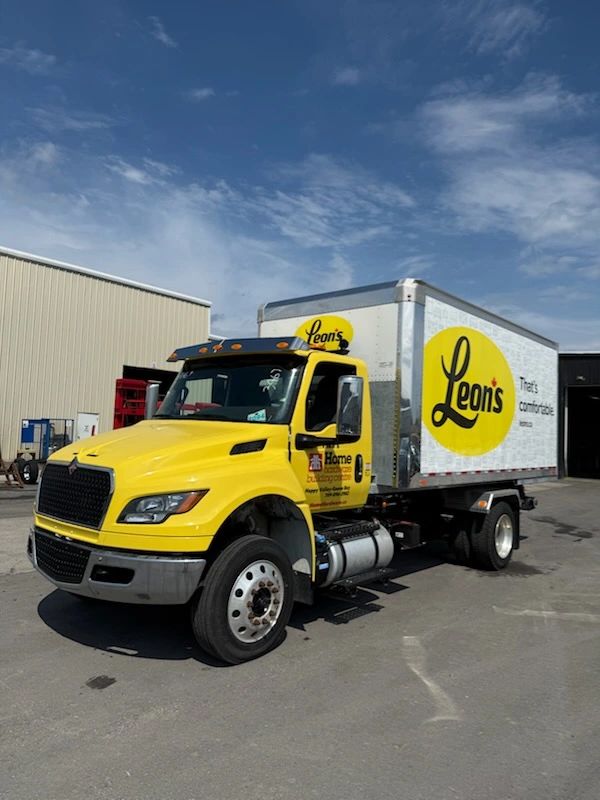
A few years ago, we worked with a Home Hardware dealer in Manitoba who was planning to replace one of their delivery trucks. The truck was still running, but maintenance costs were climbing and downtime was becoming a concern. The plan was to trade it before it became a bigger problem.
Then inventory tightened up.
What should have been a simple replacement turned into a waiting game. Available trucks became harder to find, delivery times stretched out, and prices moved higher. Instead of replacing the truck when they wanted to, the dealer ended up keeping it in service longer than planned while putting additional money into repairs just to keep deliveries moving.
The situation eventually worked itself out, but it was a reminder of how quickly the truck market can change. When production slows down, even for reasons that seem far removed from a local building supply store, the effects can eventually be felt all the way down to fleet managers and store owners trying to make practical purchasing decisions.
That's why production updates like these matter. More trucks being built today doesn't guarantee immediate availability tomorrow, but it can be an early sign that inventory conditions are improving.
No one knows exactly when truck availability will fully return to normal, but Ford's production numbers are moving in the right direction. For dealers who may be considering fleet replacements over the next year or two, it's information worth keeping an eye on.
- Phil