
 Lessons from 2008 and 2011: How to Plan Your Next Truck Purchase Today">
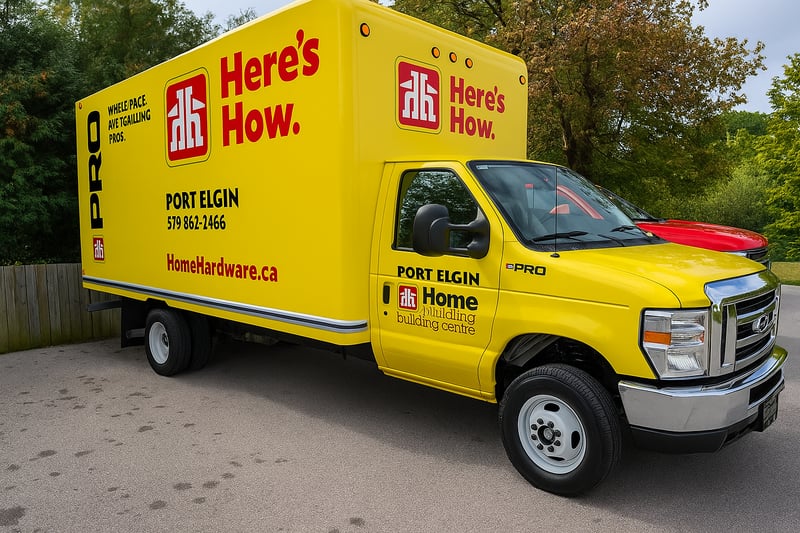
A Home Hardware dealer in Central Ontario reached out to me in January and right away you could tell he’d been through a few cycles. He explained that he had intentionally held off buying trucks back in 2023 when pricing didn’t make sense. Everything felt inflated, and rather than overpay, he made the call to wait it out and come back in when the market cooled down.
For a while, that plan seemed to be working. Pricing did come down — not dramatically, but enough to feel like things were stabilizing. So heading into 2026, he figured this was his window to move before thinking any further ahead into 2027.
But once he got serious about buying, the challenge wasn’t price anymore — it was access. The specific truck setups he needed for his operation weren’t readily available. Some were already sold out for the year, others were down to limited allocations, and anything close to what he wanted meant making compromises. At the same time, the pricing he was seeing wasn’t as soft as it first appeared. Manufacturers had already started layering in tariffs and surcharges, quietly pushing real costs higher than expected.
That’s when the conversation naturally shifted to 2027. Like a lot of operators, he had been thinking that maybe waiting one more year would put him in a better position. But the reality is, 2027 isn’t shaping up to be a “better” buying window — it’s shaping up to be a different kind of market altogether.
With new emissions requirements coming, manufacturers are introducing updated technology along with recovery costs tied to research and development. Historically, that combination leads to higher prices, tighter production, and some early-stage reliability challenges that take time to sort out. When that happens, buyers don’t sit still — they either rush to secure new units early or shift into the used market, which quickly drives those prices up as well.
He had seen this before in 2008 and 2011, and he didn’t want to find himself in the middle of that cycle again. So instead of pushing the decision into 2027 and hoping for better conditions, we focused on what he could control today. Through our network, we identified trucks that were already in production or could be reallocated, matched them to the specs he needed, and secured them while there were still viable options available.
Now, instead of waiting and reacting, he’s ahead of the curve. His trucks are lined up, his pricing is locked in, and he’s not exposed to the uncertainty that’s starting to build as we move closer to the next round of changes.
That’s really the situation in today’s market. There’s still flexibility — pricing isn’t at its peak, and there are still opportunities to secure the right equipment if you act early enough. But that window is narrowing as allocations tighten and manufacturers begin building in future cost increases.
2027 isn’t a reset point. It’s a transition. And historically, those transitions tend to favor the buyers who plan ahead, not the ones who wait for clarity after the fact.
The real question isn’t whether you’ll need a truck in 2027 — it’s whether you want to be making that decision when everyone else is trying to do the same, or whether you’d rather be ahead of it.