
 Why Crane Trucks Are the Hidden Game-Changer for Building Centres">
A crane rental to set roof trusses runs $600-900 for a half-day, plus the wait time for the operator to show up on your schedule instead of the job site's. Do that eight times a month and you're paying $5,000-7,000 for something you could be doing yourself with the right truck.
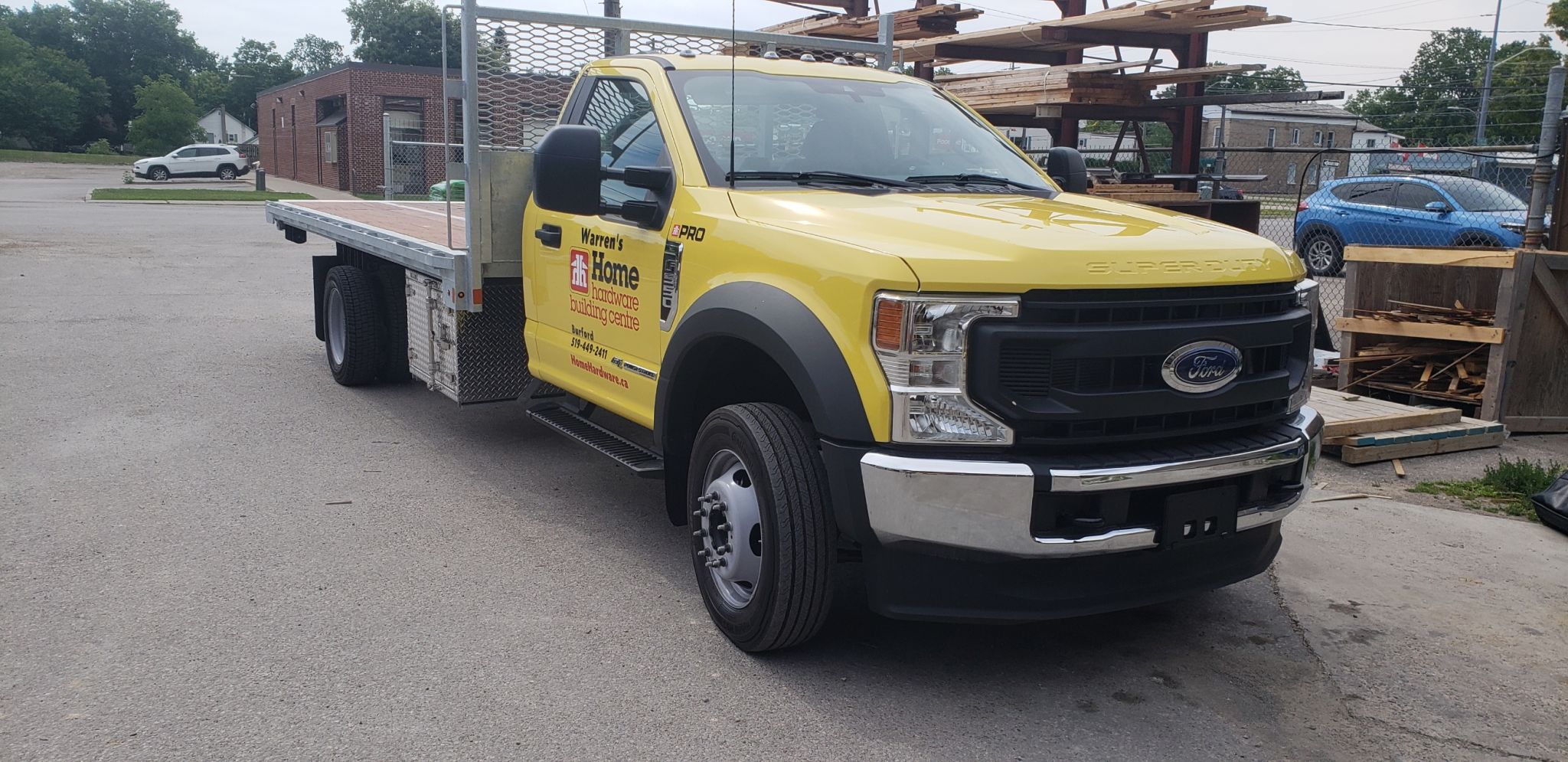
That's the conversation I had this spring with the yard manager at a Home Hardware dealer just outside Red Deer, Alberta. They'd started picking up more truss packages and steel beam deliveries as a couple of local builders shifted toward pre-fab framing. Every one of those deliveries meant calling a crane rental company, coordinating a time slot, and hoping the job site was ready when the crane showed up — because if it wasn't, they paid for the wait anyway.
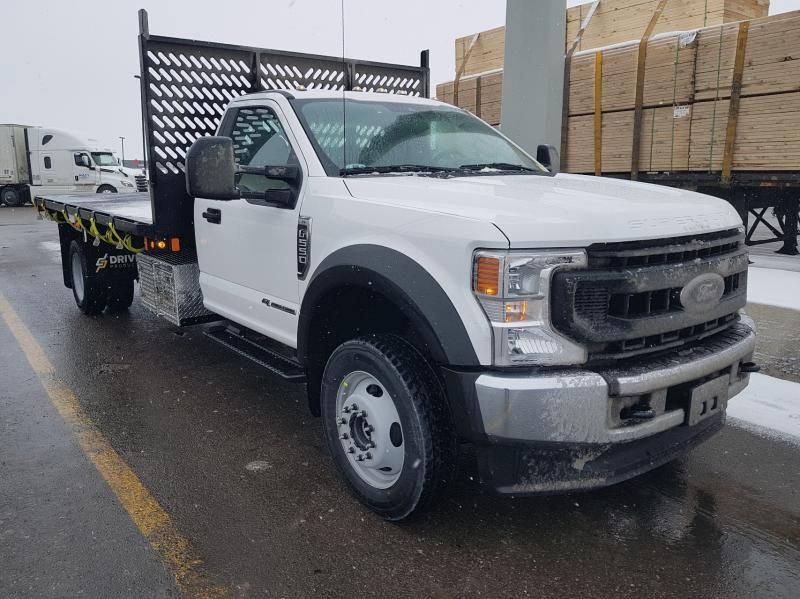
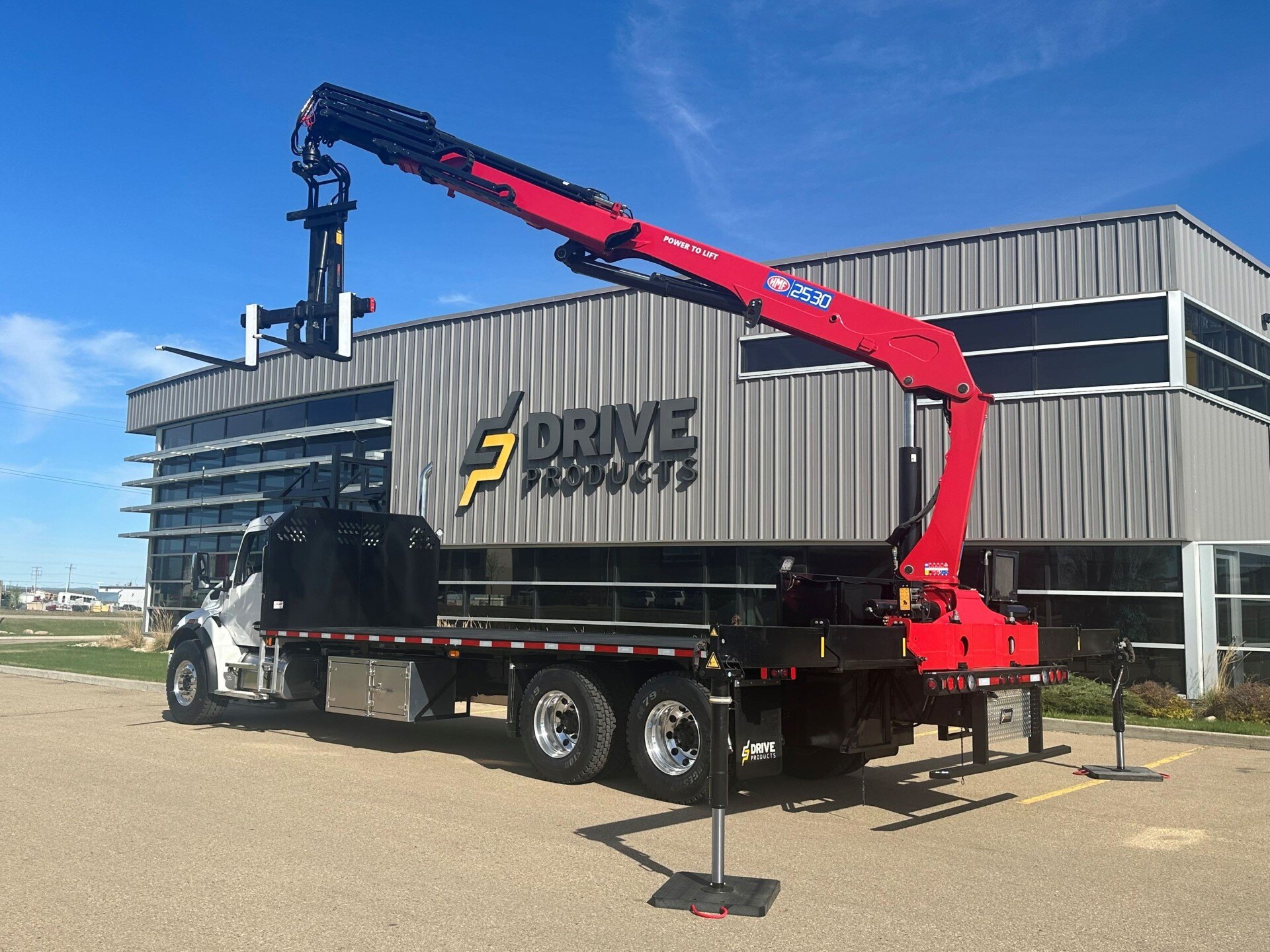
A crane truck isn't a status purchase. It's a delivery vehicle with a boom mounted behind the cab, so the truck that hauls the material is the same truck that sets it. No second vehicle, no second company, no second appointment to coordinate. For a building centre, that collapses into a handful of concrete advantages:
- No coordination lag. The crane shows up when your delivery does, because it's the same unit. No waiting on a rental company's schedule.
- No idle billing. Rental cranes bill by the hour whether the job site is ready or not. Your own truck doesn't.
- One driver, one trip. You're not paying a driver and a separate crane operator and covering two sets of fuel and mileage.
- Precision placement. Modern crane trucks put a truss package or steel bundle exactly where the crew needs it — on a second-floor deck, over a foundation wall — cutting the manual re-handling that eats a crew's morning.
The framework I use with dealers deciding on this
Before I tell anyone to buy a crane truck, I want to see the numbers, not just the frustration. Here's the walkthrough:
1. Count your crane-dependent deliveries per month. Truss packages, steel beams, engineered lumber bundles too heavy or awkward for a forklift.
2. Price out what you're currently paying — rental fees, wait-time charges, and the driver hours lost coordinating it.
3. Compare that monthly number against the finance payment on a properly specced crane truck. In most of the deals I've put together, dealers doing 6+ crane deliveries a month cross even within 18-24 months.
4. Factor in what you gain in scheduling control— this is the part that doesn't show up on a spreadsheet but matters to every yard manager I've talked to: you stop being at the mercy of someone else's calendar.
The Red Deer dealer was doing roughly eight crane-dependent deliveries a month by the time we talked. Their rental spend alone was clearing $6,000 some months. A properly specced crane truck put their all-in monthly cost — financing, insurance, fuel, maintenance — closer to $3,800, and it freed up two to three hours a week that used to go into scheduling calls with the rental company.
If you're doing one or two crane-dependent deliveries a month, or your trusses and steel packages are occasional rather than routine, a crane truck is very likely a worse deal than renting. The equipment, the licensing for the operator, and the maintenance on the boom itself only pay for themselves at volume. I'd rather tell a dealer to keep renting than sell them a truck that sits idle three weeks out of four.
If you're renting crane service more than five or six times a month, you're probably already paying for a crane truck — you just don't own it yet.